
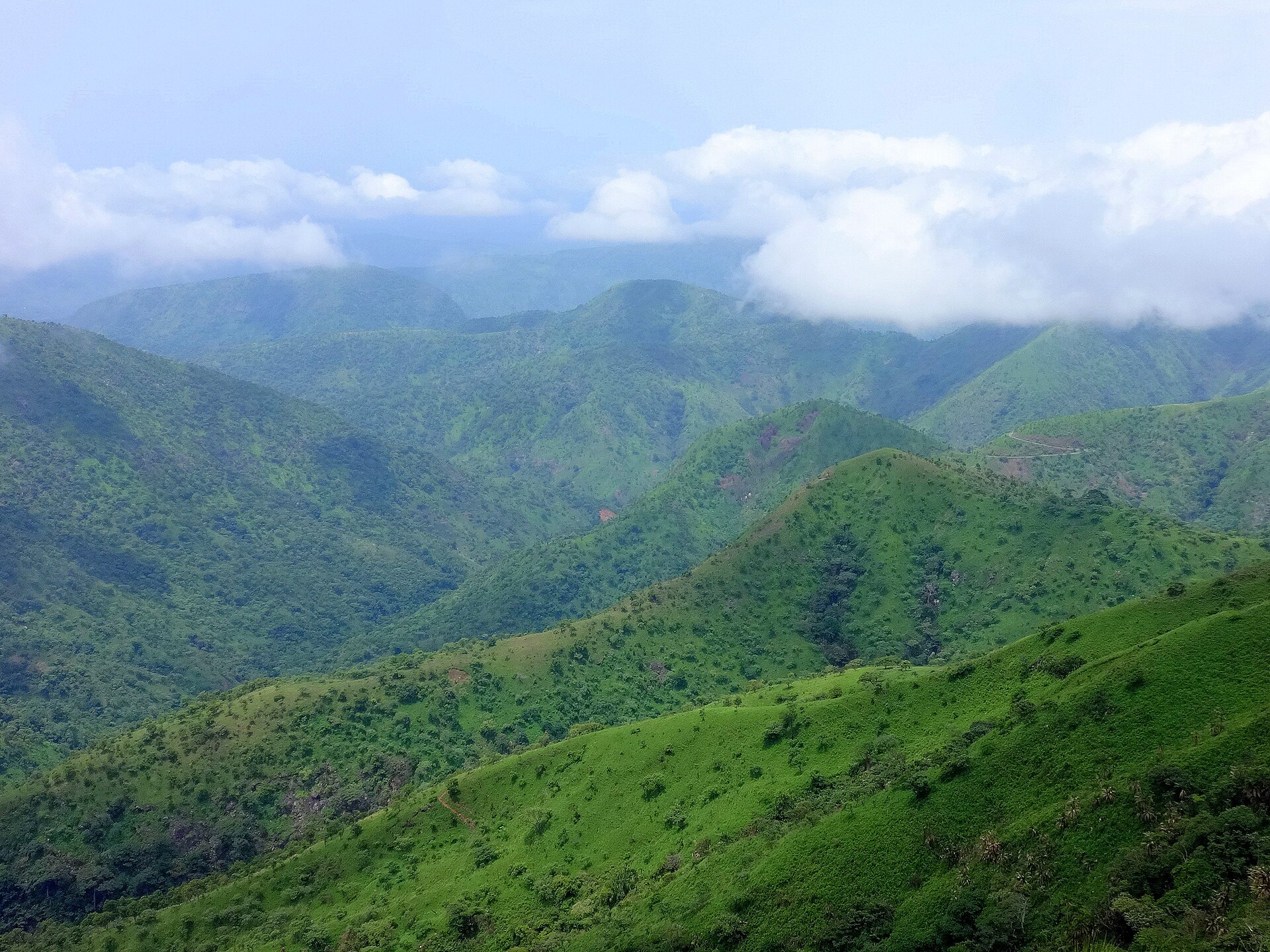
Obudu Plateau
Obanliku, Cross River State
A highland plateau near the Cameroon border, around 1,500 metres above sea level.
Dotun55 · CC BY-SA 4.0
Visiting information
- Address
- Obanliku, Cross River State
- Opening information
- Opening times are not published by a source we can verify. Confirm locally before visiting.
- Accessibility
- Accessibility information has not been verified for this place.
- Suggested time
- Half a day
About this place
The Obudu Plateau in Obanliku Local Government Area rises to roughly 1,500 metres, giving it a markedly cooler climate than the surrounding lowland. It is reached by a long mountain road of hairpin bends.
District profile
Obanliku
Obanliku is the highland district on the Cameroon border, best known for the Obudu plateau.
Why stay here: Mountain scenery and a cool climate set it apart from the rest of the south-east.
Atmosphere: Cool, misty and mountainous.
A long mountain drive from Calabar — travel in daylight only.
Airport journey
- Arrival airportMargaret Ekpo International Airport (CBQ), Calabar
- Travel time15–25 minutes to central Calabar; 4–6 hours on to the Obudu plateau
- Recommended routeAirport Road → Mary Slessor Avenue → Calabar Municipality
- Traffic informationGenerally light. Moderate congestion during the Calabar Carnival and major festivals; the mountain road to Obudu is slow and should be driven in daylight.
- Ride hailing optionsBolt, airport taxis and local taxi services serve the terminal.
- Hotel airport pickupMost major hotels and resorts provide airport transfer services; pre-book before you fly.
Nearby attractions
More to explore around Obanliku and the wider Cross River State.
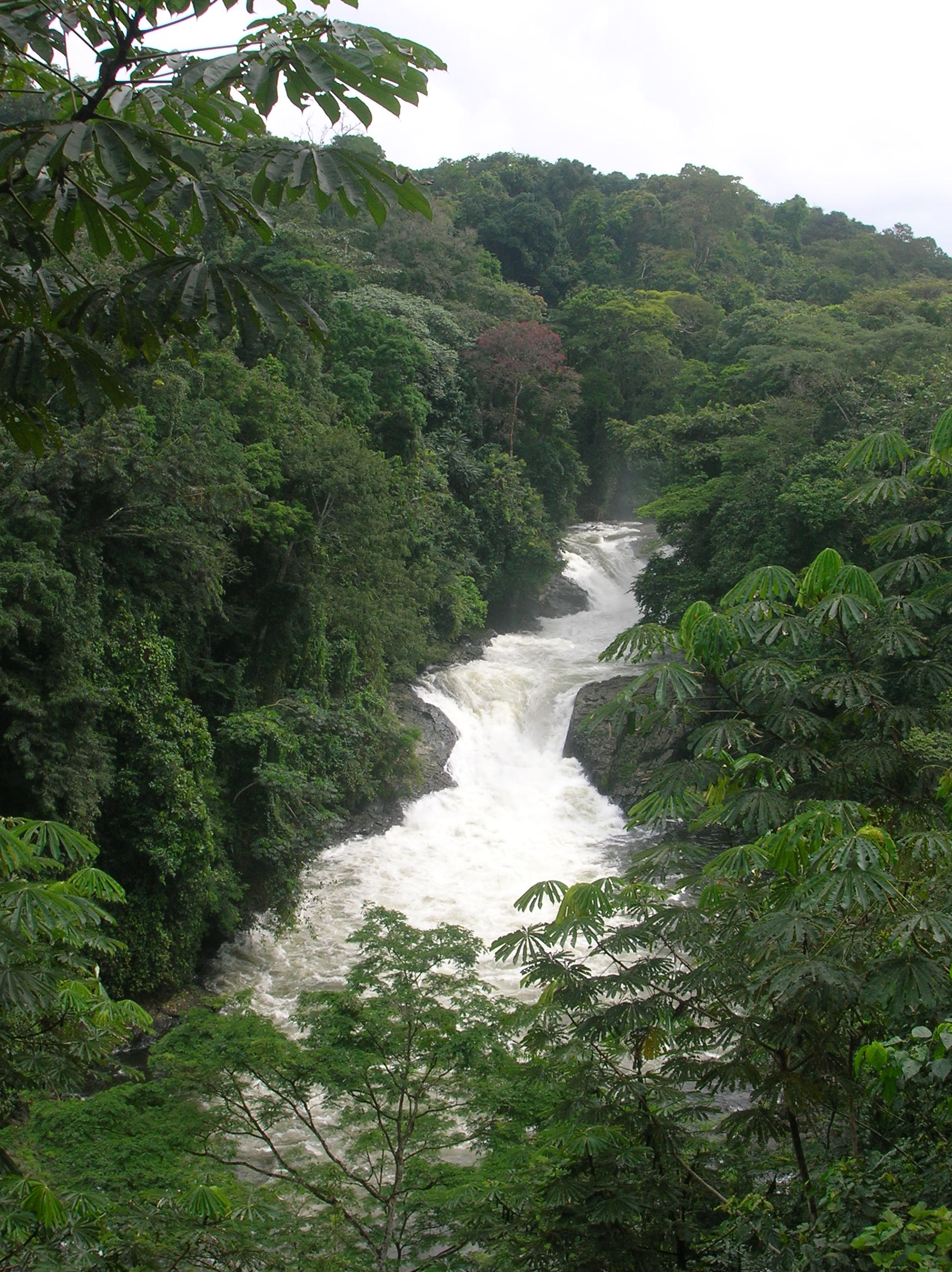 Cross River National Park AkamkpaRainforest national park protecting some of Nigeria's most biodiverse remaining forest. 2–3 hours
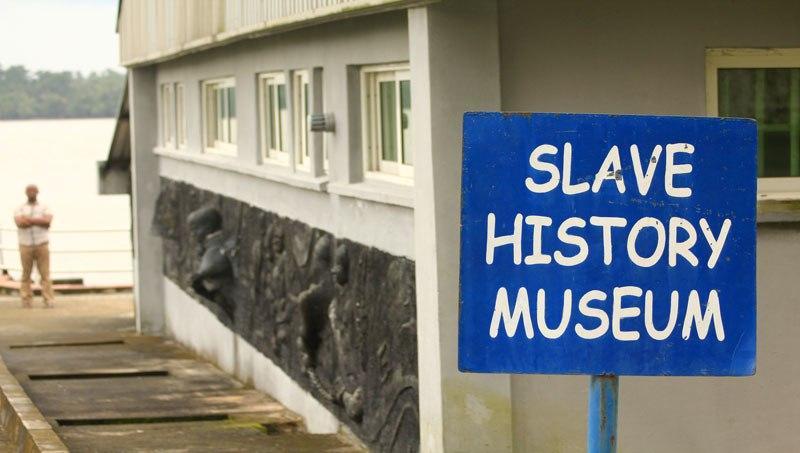 Slave History Museum Calabar MunicipalityA sober, carefully staged museum at Calabar Marina tracing the Old Calabar port's role in the transatlantic slave trade, from the Efik trading houses to the Atlantic crossing. 1–2 hours
 Mary Slessor House Calabar MunicipalityThe surviving Calabar residence associated with the Scottish missionary Mary Slessor, whose work in Efik and Okoyong communities remains part of the city's living memory. 45 minutes
 Duke Town Historic Quarter Calabar MunicipalityThe Efik town that became Old Calabar: chieftaincy houses, the 19th-century church and the river frontage where Atlantic trade, mission and city government first met. 1–2 hours
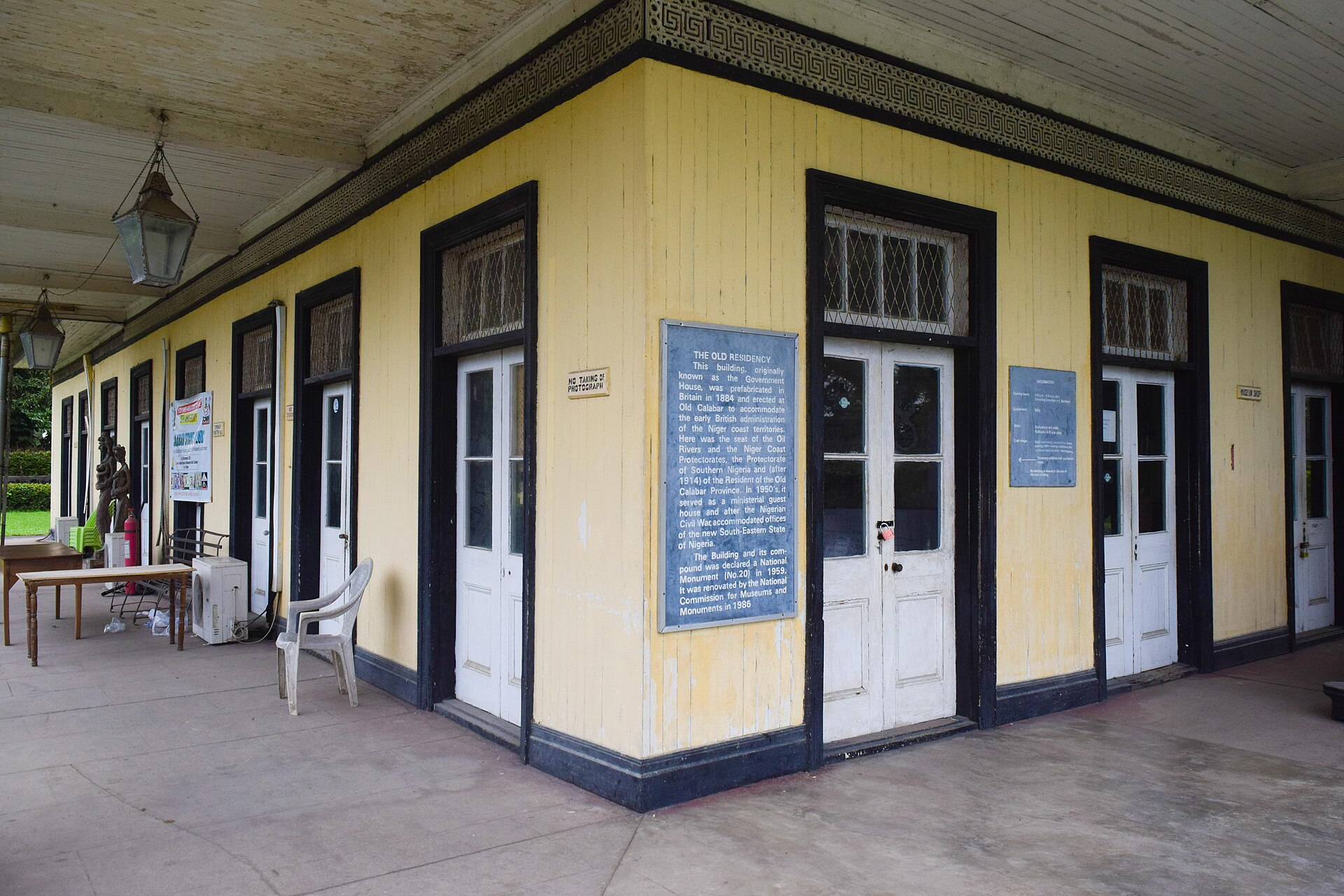 National Museum Calabar Calabar MunicipalityHoused in the old colonial Residency on the hill above the river, the national collection covers Efik culture, the Atlantic trade and the founding of Nigeria's colonial administration. 1–2 hours
 Cultural Centre Complex Calabar MunicipalityCalabar's principal performance and exhibition complex, used year-round for cultural troupes, state ceremonies and the rehearsal season that builds towards carnival. 1–2 hours
 Millennium Park Event Arena Calabar MunicipalityThe open-air arena where Calabar's festival concerts and public celebrations are staged, a short walk from the carnival route and the city's hotels. 2–3 hours on event nights
 Kwa Falls AkamkpaA rainforest waterfall on the Kwa River south of Akamkpa, reached by a long stairway down a forested gorge to a deep pool ringed by rock walls. Half a day including travel
Recommended district
Obanliku
Mountain scenery and a cool climate set it apart from the rest of the south-east.
Plan the rest of your visit
Build an itinerary around this district, or check what Nigeria requires for entry before you travel.
Sources and verification
Status: Reviewed. Last reviewed 2026-08-01.
Public reference listingVisitAfrica publishes discovery and cultural information. We do not sell tickets, tours or accommodation, and we do not publish prices or ratings.